
Nobody really enjoys moving house. You say to yourself it will be alright, you have done it before, it will not take long. Then the moving day comes and you are in the kitchen at 11pm with 3 plates, a loose bag of rice and not a single piece of bubble wrap. Sound familiar?
The reality is that the majority of the moves end up moving sideways not due to the truck or even the time, but due to the fact that people do not plan their packing materials ahead of time. With this one thing right, everything becomes so much easier. Then here is a correct checklist, in the way you would use it.
Start Here: Before You Buy Anything
Go through each room of your house. Open all the cupboards, all the drawers. That clutter in the spare bedroom that you have been neglecting to do something about in two years? That counts too. It gives you a realistic feel of volume before you get to purchasing boxes or tapes.
Once you’ve done that, write down the fragile stuff separately, crockery, picture frames, mirrors, wine glasses, any sentimental pieces. These need more thought than your books or clothes do. Keep that list somewhere easy to find because it’ll guide exactly what packaging supplies you need to stock up on.
The Packaging Supplies You Actually Need
Cardboard moving boxes, and plenty of them
Buy more than you think. Seriously. Most people underestimate by at least a third. You want a mix of sizes, small ones for books, heavy kitchen gear, and anything dense. Medium boxes for general stuff. Large boxes only for light, bulky things like pillows or doonas, never heavy items.
Double-walled boxes are worth the extra cost if you’re moving anything breakable. Flimsy boxes from the back of a supermarket might hold up on a shelf, they won’t hold up in the back of a truck going over a speed bump.
Bubble wrap
This isn’t optional. Wine glasses, picture frames, ceramic pieces, anything your mum gave you that you’d hate to explain breaking, all of it needs to be individually wrapped. Buy a big roll, not a small sheet. You will use all of it.
Packing paper and tissue paper
Packing paper is perfect for plates and bowls, wrap each one and stack them on their sides (not flat, they crack less that way). Tissue paper is better for anything with a painted or polished surface where you’d notice smudging or marks.
Old newspapers work in a pinch but be warned, the ink transfers onto everything, including your hands, and then onto your walls when you’re carrying boxes. Not ideal.
Packing tape more than one roll
Use proper packing tape, not the flimsy stuff. Reinforce the bottom of every box before you fill it, especially heavier ones. One strip isn’t enough, do two or three across the middle and along the seams. A box base giving out halfway to the truck is a horrible way to spend a Saturday morning.
Get a tape dispenser too. It sounds minor but after the twentieth box you’ll be grateful.
Mattress and furniture covers
These slip-on covers keep your mattress and sofas clean during the move. It only takes one scuf along a hallway wall or a bit of rain while loading the truck to ruin fabric furniture that otherwise would’ve been fine. Furniture covers are cheap insurance.
Removal blankets
Thick moving blankets protect larger pieces, wardrobes, dining tables, bed frames, bookshelves. Wrap the corners especially well, they’re the first things to get dinged. Quick Load Movers’ crews use these as standard because it’s the simplest way to make sure furniture arrives looking the same as when it left.
Foam chips and void fillers
If you fill a box and there’s still space rattling around inside, things will shift and break. Foam chips or scrunched packing paper fill those gaps. This matters more than people realise, a well-packed, full box is actually sturdier than a half-empty one.
Speciality boxes
Some things genuinely need their own packaging:
- Picture cartons for framed art and mirrors
- Wine cartons with internal dividers for bottles
- Wardrobe boxes so hanging clothes go straight in and come out uncrumpled
- TV boxes for flat screens (don’t just wrap these in a blanket and hope)
If you’re sourcing packaging supplies in Perth, these are worth tracking down from a proper moving supplies outlet rather than improvising.
Don’t Forget Food Packaging Supplies
The kitchen is where most people get caught out. You’re halfway through packing the living room, feeling great about your progress, then you open the pantry as well as realise there’s enough food in there to stock a small cafe.
For food packaging supplies, you’ll need:
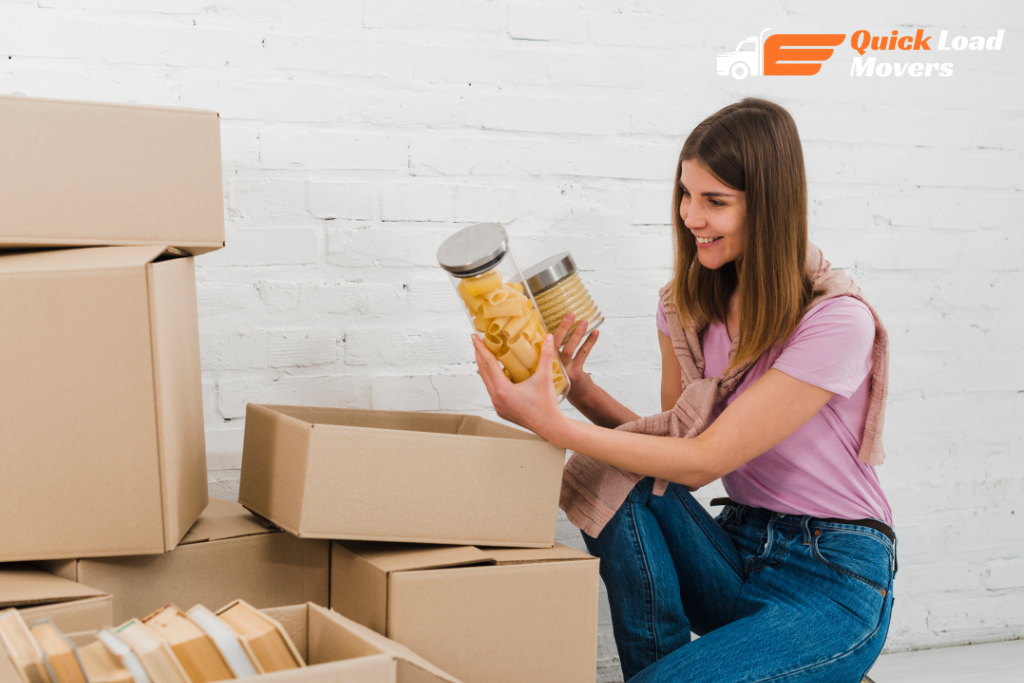
Sealed containers or zip-lock bags for dry goods, flour, rice, pasta, cereals, anything that could spill or attract insects in transit. Anything that is already open must be resealed in a proper way and then placed in a box.
A cooler bag or portable ice box for fridge items if your move is local and same-day. For anything longer, the honest advice is to use up what you can in the two weeks before you move to your house and avoid transporting perishables wherever possible.
Cling wrap is handy for covering bowls with leftovers or sealing bottles that might leak. A few rolls cost almost nothing and save a mess.
Label your food boxes clearly. It sounds obvious but in the chaos of moving day, a box labelled “pantry” that ends up under five other boxes in the truck means you’re ordering takeaway on your first night in the new house because nobody can find the pasta.
The Stuff People Always Forget
Markers and labels: Label every single box, what’s in it, which room it goes to. If you want to be really organised, use coloured tape or stickers per room. It takes five extra seconds per box and saves enormous amounts of time when you’re unloading.
Corner protectors: Furniture corners are almost always the first casualty of house moving. A few foam corner guards on your bigger pieces go a long way.
An essentials box: This is the most important box you’ll pack and the most commonly skipped. Put in it: phone charger, toiletries, a change of clothes, kettle, some snacks, toilet paper, and whatever the kids or pets absolutely cannot go without. Load it last. Unload it first. You’ll thank yourself at 9pm when you’re exhausted and can’t face opening twenty boxes to find your toothbrush.
When You’re Based in Perth
In case you are moving within the Perth metro region, be it in Joondalup, Fremantle, Subiaco, Midland, or any other part in between, Quick Load Movers will also provide packing and unpacking as part and parcel of the removalist job. Their house movers are educated on how to pack their belongings safely and apply the right materials as a necessity rather than an on-the-job thing.
For anyone doing a DIY pack, tracking down quality packaging supplies Perth-wide is straightforward if you know where to look. Purpose-built moving supplies are always better than improvised alternatives, especially for anything fragile or valuable.
One Last Thing
Give yourself more time than you think you need. Don’t leave it to the weekend before, pack a little a day in the weeks before the move. Begin with the least frequented rooms, extra bedrooms, storage facilities and garage.
Moving house is genuinely stressful, but it’s manageable when you go in prepared. The right packaging supplies, a clear system, and a bit of help from people who know what they’re doing makes all the difference between a move you’ll laugh about later and one you’d rather forget.
Quick Load Movers provide professional, affordable removalist services across Perth suburbs. Get in touch for a free, no-obligation quote.
Frequently Asked Questions (FAQs)
How many boxes do I actually need for moving house?
More than you think, that’s the honest answer. Most people underestimate by at least a third. Count your rooms, factor in cupboards and storage spots you’ve been ignoring, then add extra. Running out mid-pack is genuinely painful.
Are supermarket boxes fine for moving or do I need proper packaging supplies?
They’ll hold cereal on a shelf but they’re not built for moving. Old grocery boxes collapse under real weight, especially once they’ve been used a few times. Proper double-walled moving boxes cost a little more and are absolutely worth it.
What food packaging supplies do I need when moving house?
Zip-lock bags for anything open, sealed containers for dry goods like rice and pasta, cling wrap for bottles that might leak, and a cooler bag if you’re moving fridge items same-day. Honestly, though, eat down your fridge and pantry in the two weeks before. Saves a lot of hassle.
Where can I find good packaging supplies in Perth?
Skip the general hardware stores for specialist items like wardrobe boxes, picture cartons, and removal blankets. Look for a proper moving supplies outlet or ask your removalist, Quick Load Movers can point you in the right direction or sort supplies as part of the job.
What goes in the essentials box and why does it matter?
Chargers, toiletries, change of clothes, snacks, toilet paper, medications, and anything the kids or pets can’t go without. This box stays with you, not in the truck. At 9 pm on moving day when you’re exhausted, you’ll be very glad you packed it.